

The other day, I was sitting at my desk, staring at a laptop screen that had become, for all intents and purposes, a very expensive paperweight. I was mid-design, working on a project with a deadline looming like a thundercloud, when the dreaded spinning wheel of death appeared.
My first instinct, the one that lives in the frantic survivalist part of my brain, was to start clicking everything. I refreshed the browser ten times. I mashed the ‘Esc’ key like I was playing an old arcade game. When that didn’t work, I started looking for a screwdriver, ready to crack the back open and see which “ribbon” had finally given up the ghost.
I was agitated. My heart rate was up. I was already halfway through an imaginary conversation with a repairman about how much this was going to cost me. But then, a weird thought hit me. I remembered my old blender, the one that would sometimes just “quit” for twenty minutes if I used it up too much. I used to fan it or try to replace the fuse, but eventually, I realized that if I just left it alone, it would turn on the moment it cooled down.
So, I did the hardest thing for a modern human to do: I sat back. I folded my arms. I decided to wait it out.
Within seven minutes, the “wheel” vanished. The system caught up with itself. The background processes that were clogging the CPU cleared their own lane, and the drawing saved itself. No screwdriver needed. No repair bill. Just the quiet realization that nine out of ten times, we are our own biggest obstacles to a solution. We think we are “fixing,” but we are actually escalating.
This led me down a deep rabbit hole about the philosophy of the pause. Why are we so terrified to just let things settle? And why does it seem that the universe, and our technology, actually performs better when we get out of the way?
Table of Contents
The Active Labor Bias: Why We Over-Interfere
In psychology, there is something known as “action bias.” It is the impulse to do something, even when doing nothing would be more effective. We see this in football goalkeepers who almost always dive left or right during a penalty kick, even though the statistics show they have a better chance of saving the ball if they just stay in the center. But staying in the center feels like doing nothing. It feels like failing.
We apply this same frantic energy to our daily problems. When the wifi is slow, we immediately go for the router, unplugging things, resetting settings, and creating three new “troubleshooting” issues that didn’t exist before. We rewrite code when a website crashes, assuming our logic was wrong, only to realize twenty minutes later that it was just a temporary server lag. If we would just wait it out, the server would reconnect on its own.
By refusing to wait, we introduce new variables. When you “force restart” a laptop that is merely busy, you risk corrupting the very files that the computer was trying to save. In our desperate attempt to be “fixers,” we often become the very reason the system finally breaks.
The Ghost in the Machine: Why Technology Needs Time
When your desktop hangs or a website crashes, it feels like an affront. We treat it like a personal betrayal by the silicon. But from a technical perspective, most of these issues are just “traffic jams.”
Imagine a crowded stadium where everyone tries to leave through one tiny exit at the same time. That is what happens inside your RAM when you give too many commands. If you start clicking and “fixing,” you are just adding more people to the crowd. But if you stop and wait it out, the crowd eventually filters through the exit. The “hanging” is just the system prioritizing tasks. It is busy. It is not broken.
This applies to hardware too. Most modern electronics have thermal safeguards. When my blender would shut down, it wasn’t a defect; it was a highly intelligent system preventing a fire. It was waiting for the heat to dissipate. My interference, opening it up and jiggling the wires, did nothing but risk a short circuit. The machine knew what to do. I was the only one who didn’t.
The Frustration Escalation
There is a ripple effect that happens when we don’t wait it out. It starts with a slow website, which leads to us refreshing the page, which leads to a “Too Many Requests” error, which leads to us getting angry, which leads to us snapping at a partner or a co-worker.

The issue was never the website. The issue was our inability to sit in the silence of a “waiting period.” We have been conditioned by instant gratification culture to believe that any delay is a failure of the system. We’ve lost the art of problem-solving patience.
I’ve realized that my “fixer” nature is actually a form of anxiety. If I can’t fix it right now, I feel out of control. But the most empowering realization you can have is that “control” is often a delusion.
You don’t control the server, you don’t control the electric motor of the blender, and you certainly don’t control the wifi signals flying through the air. You only control your hands, and sometimes the best thing to do with your hands is to put them in your pockets and wait it out.
The Universal “Wait”
This isn’t just about gadgets. It’s about life. How many arguments have escalated into a “broken relationship” because one person couldn’t wait ten minutes for the other to calm down? How many texts have we sent in a “crashing” moment of anger that we wish we could take back?
Life, like code, often needs to clear its own cache. Issues, be they technical, social, or emotional, often have their own half-life. They decay and settle if they aren’t agitated. We spend so much energy on stress management for the big stuff, but we ignore the daily stress of refusing to wait.
The “slow wifi” of our lives isn’t a call to arms. It’s a call to tea. It’s an invitation to step away from the screen, look at the sky, and realize that the world is still spinning even if your video hasn’t buffered yet. Nine times out of ten, the “hanging” isn’t a permanent state. It’s just a transition.
You may also like: Selfcare Day: 10 Tips to Get Creative and Unwind
Frequently Asked Questions (FAQ)
1. Is “waiting it out” just a fancy way of being lazy?
Not at all. In fact, it’s a form of strategic patience. Lazy people ignore problems that need action; patient people observe problems to see if action is truly required. Distinguishing between a “temporary hang” and a “broken system” is the ultimate skill.
2. How do I know when I should actually step in to fix things?
A good rule of thumb is the “ten-minute rule.” If the laptop is still frozen after ten minutes of zero input, then it’s time for a hard reset. Most technical glitches solve themselves in the first two to three minutes. If you give it that space, you avoid 90% of unnecessary “fixing.”
3. Does “waiting it out” help with stress management?
Significantly. When you stop viewing every delay as an emergency, your cortisol levels stay much lower. It’s a way of reclaiming your peace from a world that wants you to react to everything instantly.
4. Why does our tech always seem to crash when we’re in a hurry?
Because when we’re in a hurry, we give more commands, click faster, and use more system resources. We create the “thermal load” that causes the crash. We are often the catalyst for the very “tech frustration” we’re complaining about.
5. Can this approach work for social conflicts too?
Absolutely. Many interpersonal “crashes” are caused by over-explaining and over-talking. Giving someone space to “cool down” is the human equivalent of letting an electric cooker settle before trying again.
Conclusion
In the end, we have to ask ourselves why we’re in such a rush. Is the five-minute delay on the website really the end of the world, or is it just the ego demanding instant obedience from the machine?
The realization that you can just wait it out is like finding a hidden cheat code for adulthood. It takes the pressure off. It means you don’t have to be the world’s expert on electricity, coding, or telecommunications just to survive your afternoon. You don’t have to be the “fixer” every time something goes sideways. You just have to be the person who is brave enough to sit still while the spinning wheel does its thing.
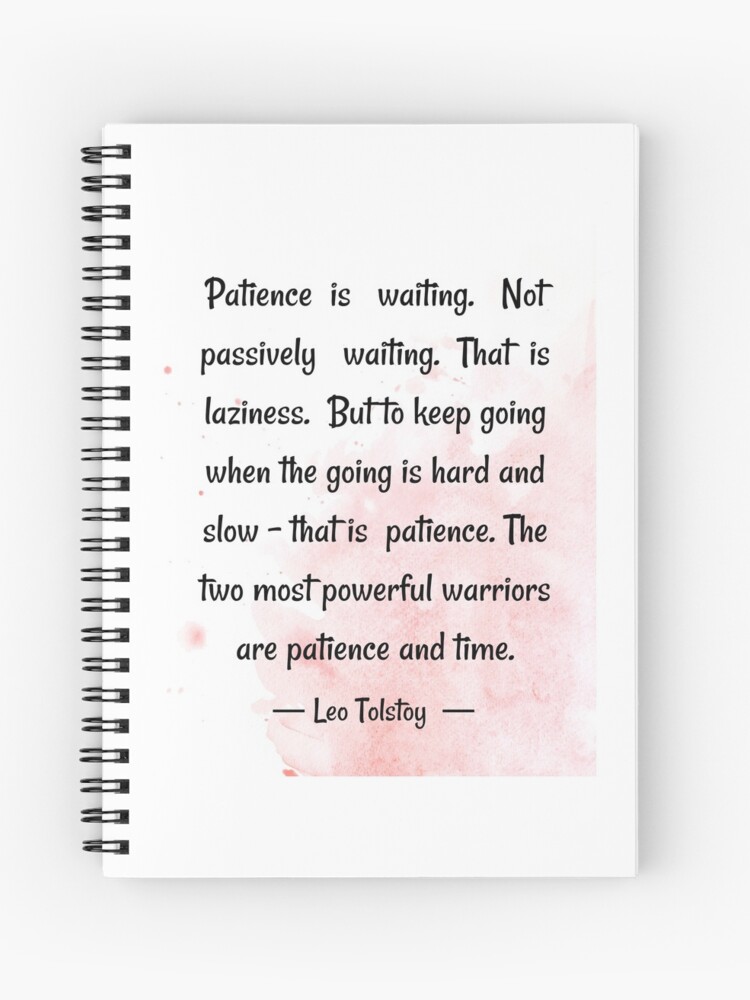
Most things, machines, people, even ourselves, want to work. They are built for functionality. When things stall, it’s usually not because they’ve forgotten how to function; it’s because they’re doing too much at once. By refusing to intervene, by declining to open up the back of the toaster or rewrite the lines of code in a panic, you are giving the system the greatest gift it can receive: space.
So the next time the wifi drops or the laptop goes quiet, don’t reach for the screwdriver or the “restart” button right away. Take a breath. Walk to the window. Check on your plants. Wait it out. You’ll be surprised at how many “broken” things can fix themselves when you finally stop trying to “help” them.