I was standing in line at the pharmacy the other day, staring at the fluorescent lights reflecting off a thousand tiny cardboard boxes, and I had this sudden, jarring realization. Everyone in that room was there for a fix.
A pill to sleep, a pill to wake up, a pill to digest, a pill to forget the headache caused by the other pills. And while I’m not saying modern medicine doesn’t have its place, I couldn’t help but see it for what it truly was in that moment: a business.
It’s an uncomfortable truth we tend to dance around because we want to trust the experts, but pharmacies aren’t charities. They’re looking to make sales. The industry thrives on repeat customers.
If they sold you a cure that worked in ten minutes and never left you needing another dose, they’d be out of business by the end of the year. So instead, we get recommendations for things that treat the symptoms, never the root. We’re given “maintenance” drugs, a word that should terrify us. Maintenance implies a permanent state of being broken.
It got me thinking about how much power we’ve handed over to people who view our health through the lens of a profit margin. And while I was standing there, I couldn’t stop thinking about the weeds growing in the cracks of the pavement outside.
Specifically, I’ve been obsessed lately with the things we overlook. The “weeds.” The plants and fruits that have been quietly holding the secrets to healing while we spend half our salaries on chemicals. It feels like a homecoming, honestly. A return to a version of myself that existed long before I knew how to read a prescription label.
My journey with “growing things” didn’t start with a high-end planter from a plant shop. It started in primary school, in the dust and the heat, growing onions and beans for “kalongolongo” (play cooking).
There is a specific kind of magic when you’re a child, digging your fingers into the dirt, seeing those tiny green shoots emerge from a dry bulb. It’s a feeling of God-like creation combined with the humblest kind of labor. We’d use those onions for our little games, and looking back, those were some of the best days of my life.
I tried to keep that fire alive in campus, even when my space was limited. I managed to get onions to the flowering phase in a tiny pot, this beautiful, pom-pom-like bloom that most people never see because they pull the bulb out of the ground too soon. I realized then that my thumb wasn’t just green; it was a part of my identity.
But life gets loud, and city living makes you small. You move into apartments with balconies that feel like cages, and you start believing the lie that you can’t be a “plant person” anymore. But I’m changing my mind. I’m starting again, and this time, it’s not just for the onions or the childhood nostalgia. It’s for my sanity, my health, and my independence.
I’ve been deep-diving into the scientific reality of these plants, and let me tell you, the things nature provides are bordering on miraculous, but they’re also complex. Take the Mexican Sunflower (Tithonia diversifolia), for example. It’s that bright, yellow flower you see on the roadsides that most people treat like a nuisance. It is a biological powerhouse, but it’s a masterclass in why we need to respect nature’s potency.
Scientifically, Tithonia is fascinating. It’s packed with something called Tagitinin C. In research models, this plant has shown insane potential for managing blood sugar and insulin sensitivity. It activates a pathway called AMPK—the “master switch” for metabolism—and even helps increase mitochondrial DNA in your muscles.
It basically tells your body to burn glucose and stop storing fat. It’s been shown to lower total cholesterol, triglycerides, and that “bad” LDL we’re all terrified of.
But here’s the rub, and why I prefer a holistic, balanced approach: it’s potent. Animal studies show that if you use it for too long, it can be a “heavy hitter” on your liver and kidneys. You can’t treat it like a daily multivitamin. It’s for the acute bursts, the moments when you need to kickstart a system. You have to cycle it. Traditional healers knew this instinctively, very short bursts for stomach issues or metabolic resets, followed by long breaks.
Compare that to the “Gentle Giant”: Guava leaves.
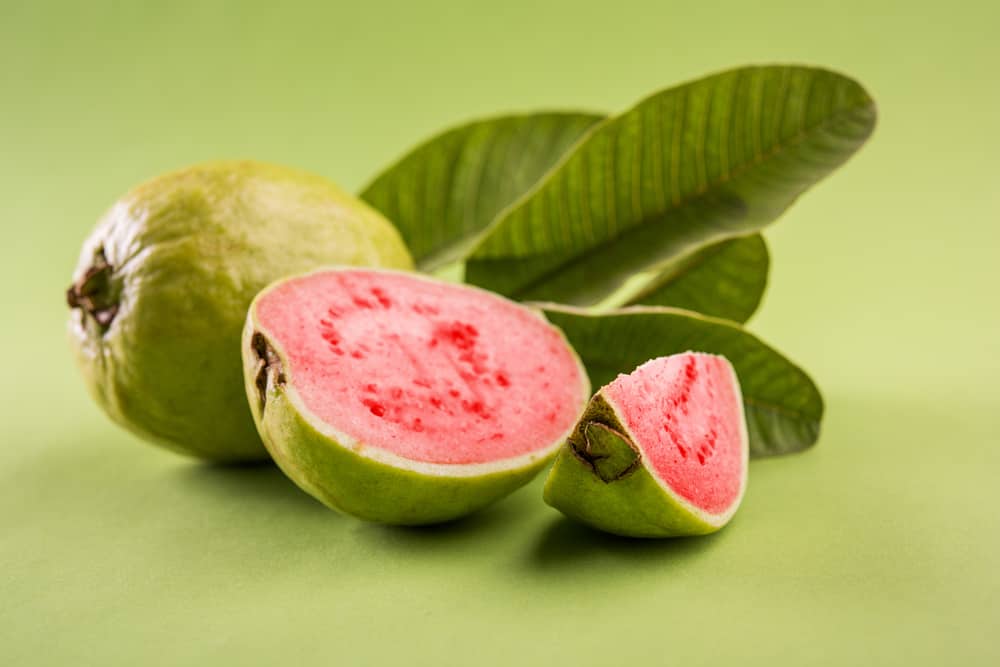
If Tithonia is a surgical strike, Guava leaves (Psidium guajava) are the grandmother of healing. I’ve started realizing that the tree we usually grow just for the fruit is actually hiding its best medicine in the foliage.
Guava leaves are the answer to so many urban health crises. They inhibit alpha-glucosidase, an enzyme that turns your carbs into sugar spikes. Basically, a cup of guava leaf tea after a meal blocks those complex starches from converting into sugar, preventing the weight gain and energy crashes we’ve come to accept as “normal.”
And unlike the pharmacies, the side effect of guava leaf tea isn’t another ailment, it’s actually a mood boost. It slows down sugar absorption without wrecking your organs. In Japan, they’ve even officially approved it as a functional food for blood sugar management. And here we are, letting the leaves rot on the ground while we pay for insulin regulators that come with a ten-page list of warnings.
Then you’ve got Neem and Mexican Sunflower, both so bitter they’d make you question your life choices, but they work. Neem is like a biological vacuum, cleaning out everything from the inside out. Then there’s the classics: ginger, moringa, peppermint, lavender, and aloe vera.
And get this, their value isn’t just internal. If I can grow these on my balcony, I don’t just get a medicine cabinet; I get a force field. Peppermint, lavender, and neem aren’t just for us; they are natural repellents. I could actually spend my evenings without a chemical “coil” burning in the corner or toxic spray on my skin. Fleas, cockroaches, mosquitoes, they hate these plants. So you end up with a sanctuary that smells like a spa and works like a security system.
My plan now is a bit experimental. I want to tame these powerhouses. I don’t have an acre (yet), so I’m diving into the world of bonsai and shrub-training. Imagine a Guava tree, not thirty feet tall, but shaped into a dense, beautiful bonsai on my balcony. Or a Plumeria Frangipani; the scent is divine, but if you let it, it’ll take over your life. I want to learn to tame it into a small, fragrant shrub that purifies the air and lifts my mood the second I walk through the door.
There is a psychological shift that happens when you stop looking for healing in a sterile aisle and start looking for it in a pot on your windowsill. It’s a move from dependency to agency. When the government is greed-based and the systems are profit-driven, being able to treat your own stomach issues or manage your own metabolism isn’t just a hobby, it’s an act of rebellion.
I’m tired of being a “maintenance” case for a pharma rep. I’m going back to the soil. I want my house to be scented by flowers, not plug-ins. I want my air purified by leaves, not expensive machines that only collect dust. I want the fragrant mood boosters that don’t come in a prescription bottle.
Maybe people will see me on my balcony, talking to my guava bonsai or harvesting bitter neem leaves, and they’ll think I’m losing it. But they’ll be saying it as they pop their third pill for the day to treat a symptom of their first pill.
I’m chasing the “kalongolongo” feeling again. That simple, grounded knowing that the earth is enough if we’re patient enough to listen to it. I’m starting my garden again. Not just for the greenery, but for the freedom. It turns out, the best medicine wasn’t at the back of the store, it was always under our feet.
I’m ready to dig again. Are you?