If you and I were sitting across from each other right now, maybe on a balcony with the late afternoon sun spilling over the edge, I would probably pour you a cup of tea, look you in the eye, and ask you a very strange question.
Have you ever actually watched someone survive?
Not the movie version of survival, where there’s a dramatic soundtrack and a heroic montage. I mean the quiet, ugly, bone-deep version. If you could step out of your own body and watch a 26-year-old woman trying to build a business from scratch while keeping a roof over her head, what would you see?
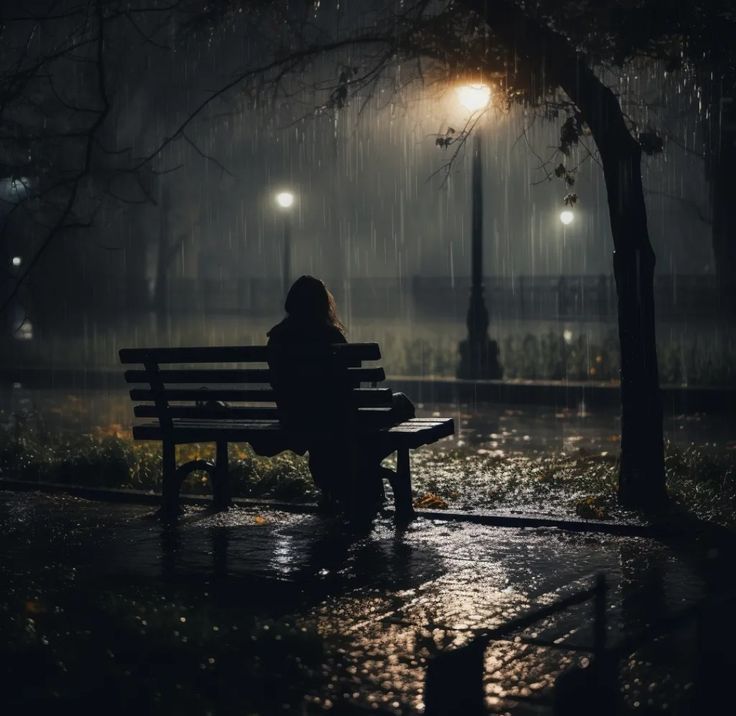
You would see a girl who forgets to breathe. You would see someone whose shoulders are permanently glued to her earlobes. You would watch her stand in the aisle of a supermarket, staring at a packet of pads and a carton of milk, doing a frantic, invisible mathematics behind her eyes. You’d see her calculating exactly how much is left on her M-Pesa, subtracting the electricity token she needs to buy later, factoring in the bus fare for the week, and realizing she has to put the yoghurt back on the shelf.
You would watch her sit in front of a glowing laptop at 2:00 AM, the blue light washing over her tired face, begging the universe to let this one client say yes. Just this one. Just so the landlord stops calling.
That was me. I used to step outside of myself sometimes, hovering near the ceiling of my mind, just watching that girl. I felt so incredibly sorry for her. I wanted to tap her on the shoulder, wrap her in a thick blanket, and tell her that the war was over. But I couldn’t. The war wasn’t over. Every single day was a battle for ground, a battle for shillings, a battle for a sliver of dignity in a world that is notoriously unkind to women.
But then, the weather changed.
I want to take you through exactly how it happened, because nobody ever tells you the truth about the transition. People on the internet love to talk about “manifesting abundance” as if one day you just wake up, sprinkle some fairy dust, and suddenly you’re rich. They skip the messy, terrifying, beautiful bridge between having nothing and having more than enough.
Let’s talk about the tension first.
A few months ago, I was operating at my absolute maximum capacity. The business was running, but I was the engine, the fuel, the mechanic, and the driver. If I stopped pedaling, the bicycle fell over. That’s the reality of a survival-based business. You take on clients who disrespect your time because their money pays for your bills. You answer calls at midnight because you are terrified that if you don’t seem immediately available, the opportunity will vanish. You live in a perpetual state of scarcity.
And then, a shift began to happen. It was a culmination of the seeds I had been planting in the dark for years. A few massive projects aligned. A few investments matured. A few high-ticket clients finally signed the contracts I had drafted with shaking hands months prior.
The money didn’t trickle in. It flooded.
I remember the exact afternoon my bank balance crossed the one million Kenyan Shillings mark.
I was sitting on my sofa. It was a Thursday, I think. One of those utterly unremarkable Thursdays where the world is just going about its business. Outside my window, a neighbor was hanging laundry. A dog was barking a few compounds away. The mundane reality of the city was humming along.
My phone buzzed on the coffee table. A bank notification.
I picked it up, expecting it to be a tiny payment from a small gig, or maybe a deduction for a bank fee. I unlocked the screen.
Available Balance: KES 1,500,003.72
I need you to understand what happens to a human body when it realizes it is no longer being hunted by poverty. You expect elation. You expect to leap into the air and scream. But when you have been running from a predator for years, and the predator suddenly drops dead, you don’t celebrate immediately. You just stand there, suspicious, waiting for it to get back up.
I stared at the screen until the numbers blurred. My chest felt incredibly tight, a physical knot of disbelief wedged right behind my ribs. I closed the app. I put the phone face down on the table. I walked into the kitchen, ran the tap, and drank a glass of water.
It’s a glitch, my mind whispered. Don’t get excited. The bank made an error. Tomorrow they will reverse it, and you will be back to calculating unga and fare.
An hour passed. I opened the app again.
The money was still there.
I sat down on the kitchen floor. Just right there on the tiles. And for the first time in twenty-six years, I let out a cry that wasn’t born of grief, or heartbreak, or exhaustion. It was a heavy, guttural, messy release of pure, unadulterated tension. It was the sound of a woman finally putting down a burden she had been carrying up a mountain for years.
I cried for the girl who used to put the groceries back on the shelf. I cried for the mother who used to panic when her child coughed, terrified of the hospital bill. I cried for the entrepreneur who swallowed her pride and smiled at disrespectful clients. I sat on the cold floor and I let the reality wash over me.
I am safe. We are safe. It is finally over.
That was the climax. That was the breaking of the fever.
What followed, and what I am living in right now, is the most exquisite, delicious relaxation you can possibly imagine.
Let me paint this picture for you, because I want you to feel the texture of this life. I want you to smell it and taste it, because if you are reading this, maybe you are yearning for it too. And I need you to know it is real.
The first thing that changed was my relationship with time.
Poverty makes you rush. Everything is urgent when you are surviving. You are always late, always behind, always trying to catch a bus that is already pulling away.
But wealth? Wealth is unhurried.
Nowadays, my mornings belong entirely to me. There is no violent alarm clock tearing me out of my dreams. I wake up naturally, usually as the light begins to filter through the heavy, linen beige curtains I recently bought. I lie in bed for a while, just listening to the sound of my child breathing softly in the next room. I stretch. I let my mind wander.
When I finally get up, I don’t rush to my phone to check emails. I walk to the kitchen. I have a beautiful, quiet ritual now. I boil water. I make a cup of herbal tea. And then, I open the back door and step out into my kitchen garden.
If you had told me a year ago that I would find profound joy in dirt, I would have laughed at you. But this little patch of earth has become my sanctuary. It’s not massive, but it is lush. I have mint, sprawling rosemary, tiny cherry tomatoes turning bright red in the sun, and fragrant lemon grass.
Every morning, I walk out there in my bare feet. The grass is cool and slightly damp. I crouch down and run my fingers over the leaves. I pinch off a piece of mint and crush it between my fingers, letting the sharp, clean scent wake up my senses.
Watching a garden grow is the ultimate lesson in abundance. You cannot force a tomato to ripen faster by yelling at it. You cannot hustle a seed into a sprout. You just give it water, you give it light, and you give it space. It grows at its own perfect, unbothered pace.
Standing in that garden, sipping my tea, I realized that I am finally allowed to grow the same way. I am no longer forcing my life to happen. I am just tending to it.
This softness began to seep into every single corner of my existence, starting with the very things I put on my body.
For the longest time, clothes were just armor. They were functional. They were meant to hide the parts of me I was insecure about, or they were cheap things I bought out of necessity that would shrink and fade after three washes. I used to tug at hemlines, adjust tight waistbands, and walk around feeling entirely uncomfortable in my own skin.
One afternoon, a few weeks after the money settled into my reality, I opened my wardrobe and just stared at it. It looked like a graveyard of survival.
I took a garbage bag and I emptied the entire thing. Every itchy sweater, every ill-fitting pair of jeans, every blouse that made me feel small. I donated it all.
And then, I took myself shopping. Not the kind of shopping where you check the price tag before you even look at the garment. The kind of shopping where you touch the fabric first.
I bought tailored trousers that sweep the floor when I walk, making me feel like I am floating. I bought a silk wine dress that feels like cool water against my skin. I bought heavy, soft linens in neutral tones, creams, sage greens, warm terracottas, deep chocolates. I tried on the kitten heels I used to yearn for since high school. I found a local tailor who took my measurements and made sure every single piece draped perfectly across my body.
There is an entirely different psychology to moving through the world in clothes that fit you perfectly. You stop slouching. You stop wanting to hide. When I walk down the street now, in a beautifully cut linen dress and soft camel trenchcoat, I feel elegant. I feel like a woman who respects herself enough to wrap her body in quality. It changes the way you speak. It changes the way people look at you. You are no longer apologizing for taking up space; you are inhabiting your space with absolute grace.
And speaking of moving through the world, let’s talk about the errands.
Nairobi is a chaotic city. It is loud, aggressive, and notorious for traffic that will suck the life force right out of your bones. I used to dread leaving the house. The thought of squeezing into a matatu, or paying exorbitant prices for a cab just to sit in a gridlock for two hours, used to drain me before I even stepped out the door.
So, I fixed it. I went out and bought a scooter.
Not a motorbike. A beautiful, sleek, vintage-style scooter. It’s painted a soft, muted black color, with a tan leather seat.
The first time I rode it, I felt a kind of giddiness I hadn’t experienced since I was a little girl on a bicycle. Now, when I need to go to the market, or drop off a document, or just get out of the house, I don’t call an Uber. I put on my sunglasses, strap on my matching helmet, and I just go.
It is intoxicating. Zipping past the heavy, frustrated traffic. Feeling the warm wind on my face. Smelling the jacaranda trees when they are in bloom. I weave through the suburbs, completely unbothered, entirely free. Errands are no longer a chore; they are an event. I park my little scooter outside a café, walk in to buy my fresh bread and coffee beans, and I feel like I am starring in an indie film about a woman who has finally figured out the secret to life. It’s light. It’s fun. It’s completely carefree.
But this carefree energy didn’t just happen by accident. It is deeply supported by how I have restructured my business.
When I look at my business now, I almost don’t recognize it. The transition from a desperate hustler to a grounded CEO is a wild psychological ride.
Because I had this financial safety net, this beautiful, glowing cushion of over a million shillings, I realized I no longer had to operate from fear. I sat down at my desk one morning, pulled out a notebook, and did an audit of my clients.
I looked at the ones who paid late, who sent demanding messages on weekends, who made me feel anxious every time their name popped up on my phone.
And I fired them.
Just like that. I sent polite, firm emails explaining that we were no longer a good fit, and I let them go.
I cannot begin to describe the sheer, unadulterated power of saying “no” when you actually have the money to back it up. It is the ultimate flex. I didn’t do it with malice; I did it with a quiet, solid confidence.
By clearing out the noise, I created a massive vacuum. And you know what the universe does with a vacuum? It fills it with better things. Because I had freed up my time and my energy, I was able to attract high-tier clients. Clients who respect my boundaries. Clients who pay my newly raised rates without a single negotiation.
I also did the smartest thing a business owner can do: I bought back my time. I hired an assistant to handle the chaotic inbox. I hired an accountant so I never have to look at a spreadsheet again. I brought in help for the house, someone to clean and prep meals so I am not burning the candle at both ends trying to be a perfect mother and a perfect boss.
Now, when I sit down to work, I am actually doing the creative, visionary work I love. I work for maybe four or five hours a day, intensely focused, and then I shut the laptop. The rest of the day belongs to me and my child.
And because I am no longer carrying the weight of the world, I realized my body needed to heal from the years it spent holding it up.
Trauma, stress, and panic don’t just live in your mind. They live in your fascia. They knot themselves under your shoulder blades. They tighten your hamstrings and lock your jaw.
To combat this, I introduced a non-negotiable ritual into my life. Every single fortnight, I book a two-hour session at a beautiful, serene spa tucked away in a quiet leafy suburb.
Imagine this: You walk through heavy wooden doors into a space that smells entirely of eucalyptus, peppermint, and burning sage. The lighting is incredibly dim. There is soft, ambient music playing, just the sound of water and low, rhythmic tones.
You change into a plush robe. You lie face down on a heated massage table. And for the next two hours, a professional slowly, methodically works the years of survival out of your muscles.
During my first massage after the money came in, I actually cried on the table. As the therapist worked on my shoulders, it felt like a dam broke. All the unshed tears of the girl who used to panic in the supermarket aisle came flooding out. I realized how tightly I had been holding myself together, terrified that if I relaxed even for a second, my whole life would shatter.
Now, those fortnightly massages are my reset button. I leave the spa feeling like liquid. My posture is different. My breathing is deeper. I am teaching my nervous system that it is finally safe to let go.
But sometimes, a massage isn’t enough. Sometimes, you need to completely change your geography to remember how small your problems are and how vast the world is.
So, I made a promise to myself and my child: every few months, we leave the city.
We take vacations. Not the stressful, budget-conscious trips where you pack your own food to save money and calculate the cost of every ice cream cone. I mean real, expansive, soul-soothing vacations.
Last month, we went to the coast. I rented a beautiful, airy villa in Watamu with white walls and a thatched roof, sitting right on the edge of the Indian Ocean.
There were no alarms and no laptops allowed.
We woke up to the sound of the waves crashing against the shore. I wore a white dera, walked barefoot onto the warm sand, and just stared at the horizon. I watched my child run into the shallow water, laughing, completely unburdened by the adult world.
In the afternoons, we ate fresh seafood caught that morning, grilled with garlic and lemon. I read novels on a sunbed. I drank cold, crisp white wine as the sun dipped below the horizon, painting the sky in violent shades of pink and orange.
I remember sitting on the balcony one evening, the salty breeze tangling my hair. I looked at the vastness of the ocean, and then I looked inward, at the vastness of the peace inside my own chest.
I thought about the pact I made years ago. The one about the white butterflies.
I used to think that the butterflies were a sign that a man was coming to save me. I thought they were a promise of romantic love, because society had convinced me that the only way a woman gets a beautiful, safe, luxurious life is if a wealthy partner hands it to her.
But sitting on that balcony, listening to the tide, I smiled to myself.
The savior did come.
The savior just happened to be me.
I built this. This 26-year-old woman, who once didn’t know how she was going to pay rent, built an empire of softness.
I look at my life now, and it feels like a beautifully written book that I actually want to read.
My days are a slow dance of intention. I wake up in beautiful linen. I harvest herbs from my own garden. I run my business with quiet authority. I zip through the city on my scooter with the wind in my face. I let someone massage the tension from my bones. I stand by the ocean and let the saltwater heal my soul.
I am surrounded by abundance. It is in my bank account, yes, but more importantly, it is in my mind. The panic is completely gone. The yearning has been replaced by a deep, resonant satisfaction.
If you are reading this, and you are currently the girl in the supermarket aisle doing the frantic math… I need you to hear me.
Do not give up.
Keep planting those seeds in the dark. Keep building, even when your hands are shaking. Keep demanding more from the universe, and refuse to settle for the crumbs of survival.
The bridge between where you are and where I am is terrifying, exhausting, and long. But I promise you, with every fiber of my being, the view from the other side is worth it.
The day will come when you check your balance, and the numbers will look like a phone number. The day will come when your biggest decision is whether to wear the cream linen or the olive silk. The day will come when you sit in your garden, a butterfly will land on your rosemary bush, and you will realize that you finally brought yourself home.
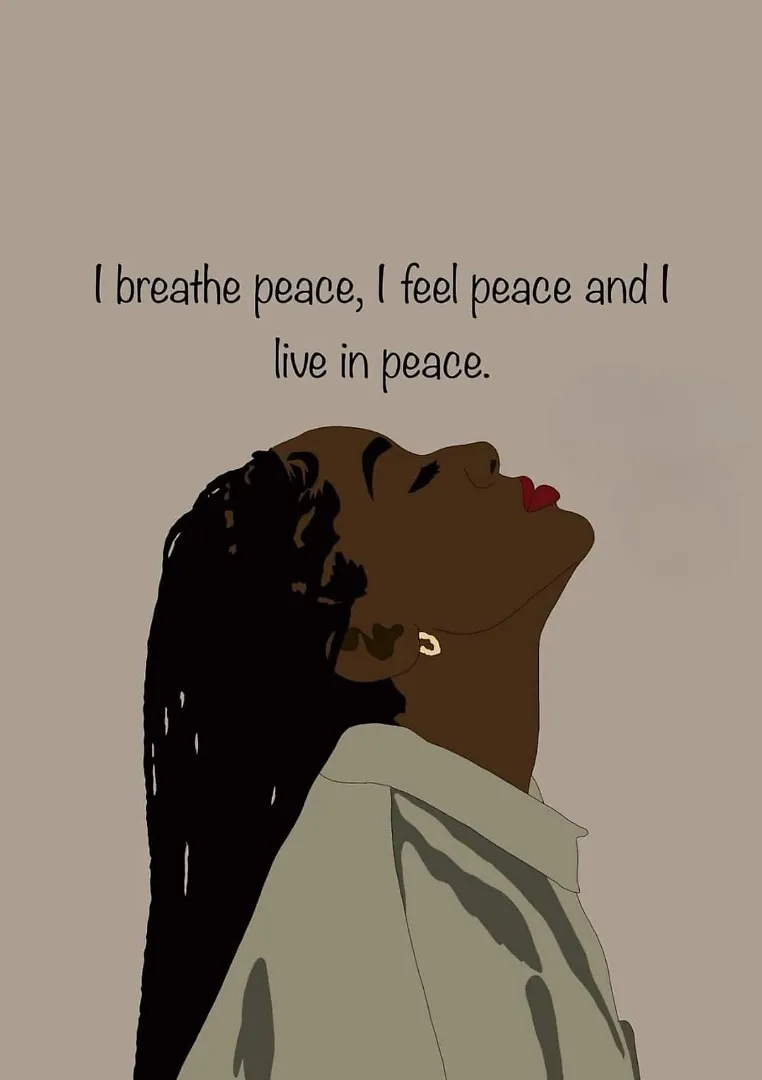
Until then, take a deep breath. Drop your shoulders. Unclench your jaw.
Your beautiful life is coming. Just keep going.